The Future of Garment Intelligence

From design to manufacturing through AI-powered computational frameworks

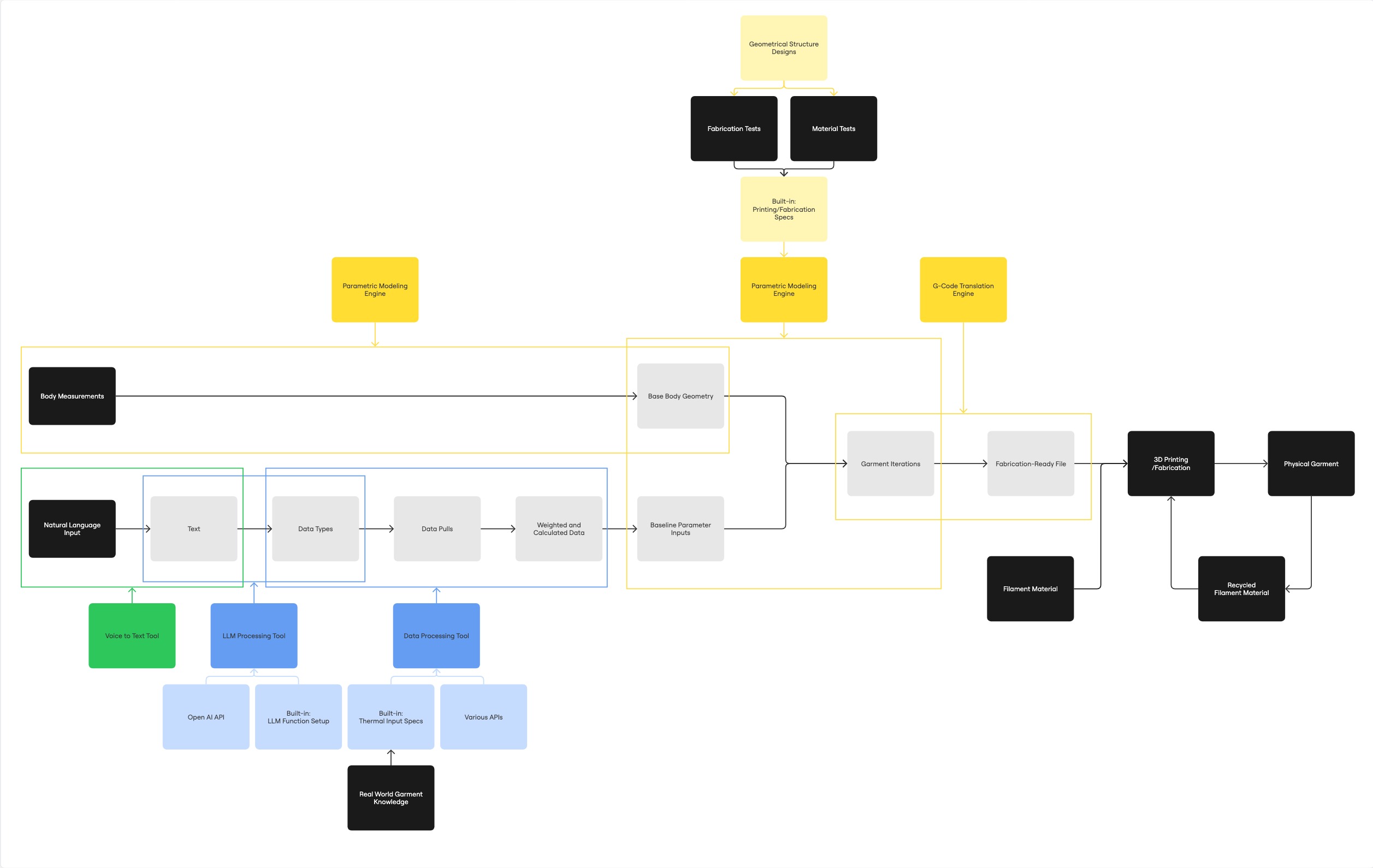
Automating the fashion lifecycle from design to manufacturing. HAI Systems replaces legacy processes such as standardized sizing and repetitive sampling cycles, with a computational pipeline that starts with the individual and ends with precise, on-demand fabrication.

Position

Fashion still runs on systems designed for mass production, not human bodies or the planet. This leads to wasted materials, unsold inventory, and a disconnect between creative intent, technical execution, and personal preference.

In place of assembling independently produced parts, we harvest biometric, aesthetic, contextual data to create gradients of functionality. Upon their union, design and fabrication undergo a single computational pass, leaving behind no trace of overproduction.

70% reduction in sampling waste
0 unsold inventory
100% personalized fit

Platform

The HAI Systems platform is composed of tools, techniques, and technologies in the areas of biometric integration, computational design, and automated fabrication. An end-to-end digital pipeline for lifecycle design of bespoke, on-demand garments.

Technical Co-Design

GHOST WIREFRAME VIEW — PARAMETRIC SHELL

Our proprietary framework encodes pattern logic, structural behavior, and material constraints. Clean digital files flow directly into 3D printing, automated knitting, or hybrid craft workflows.
Automated Fabrication

The result: precise, repeatable garments with minimal waste and maximum creative control. One pipeline, one material class, one system—from digital geometry to physical product. We transform parametric designs into textile products using CNC knitting, 3D printing, and robotic fabrication. The same machines that exist on the factory floor, driven by computational design.

Integration

This multi-dimensional data set forms a rigorous design brief where every pattern and structural intersection is driven by the wearer's specific context. Our proprietary framework translates these complex inputs into precise, manufacturable specifications while strictly preserving the brand's original design DNA. By integrating individual data directly into the technical backend, we transform static ready-to-wear collections into adaptive, couture-level garments engineered for the individual.

Pipeline: Data to Fabrication PIPELINE : DATA TO FABRICATION

THE BODY INPUT

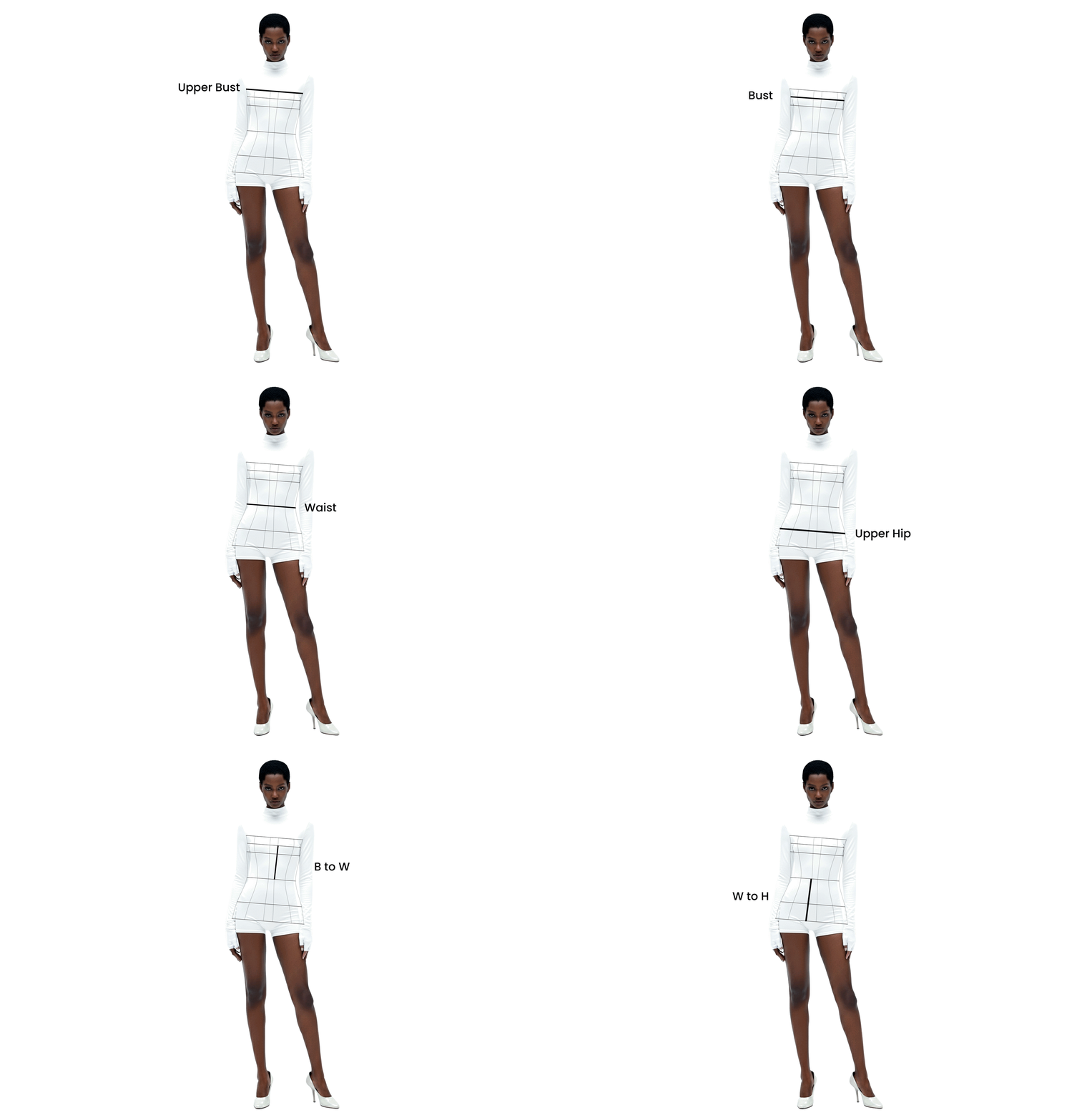
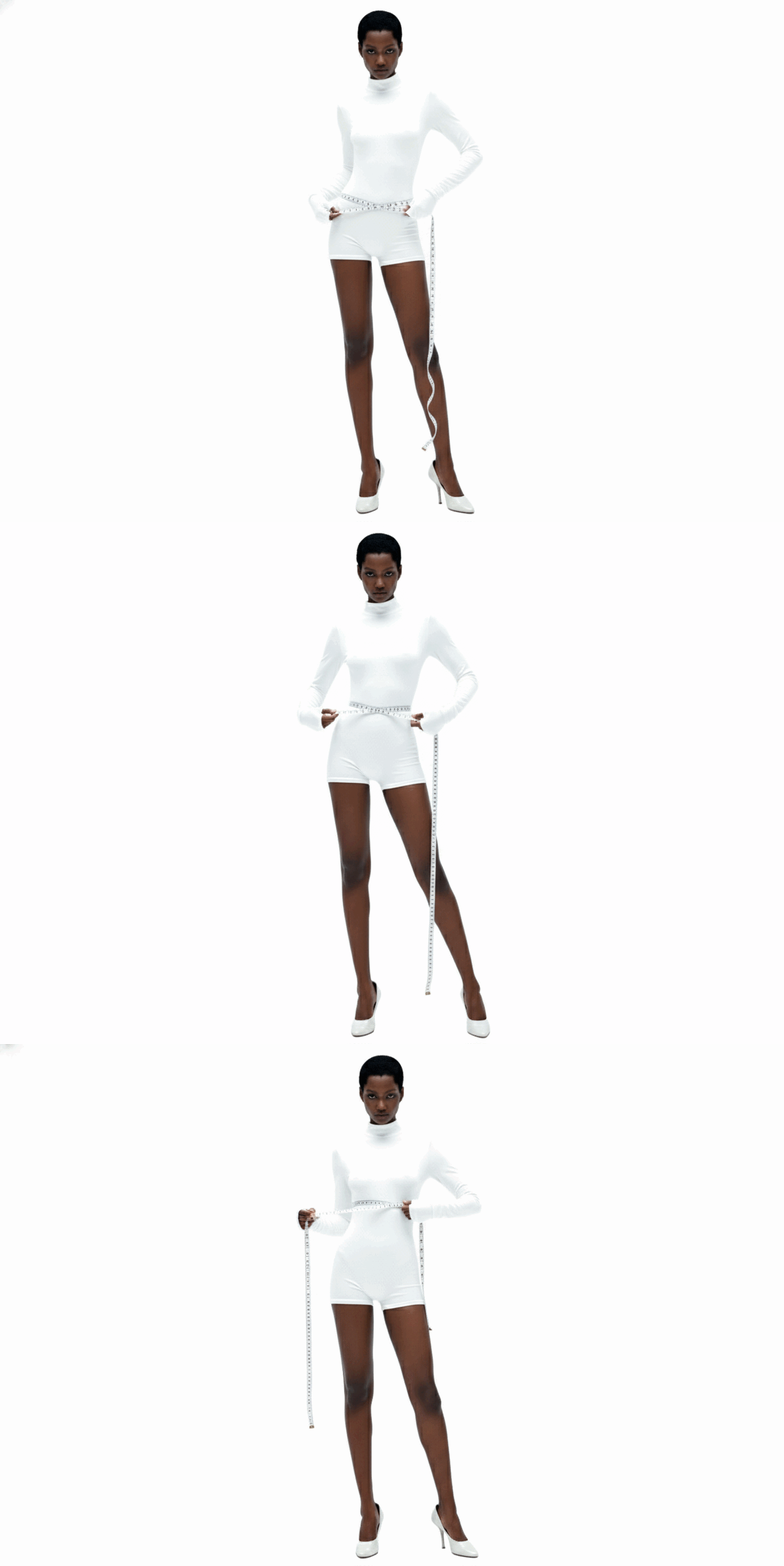
The system offers two solutions, 3D scanning the body or simply put in your measurements.

Body Measurement
Body Measurements

Measure Yourself For

Upper Bust 78

Bust 80

Under Bust 74

Waist 60

Upper Hip 78

Hip 90

B to W 13

W to H 20

The data forms a live parametric model that updates in real time.

Body Geometry

This step establishes the baseline geometry for garment generation.

THE CONTEXT INPUT

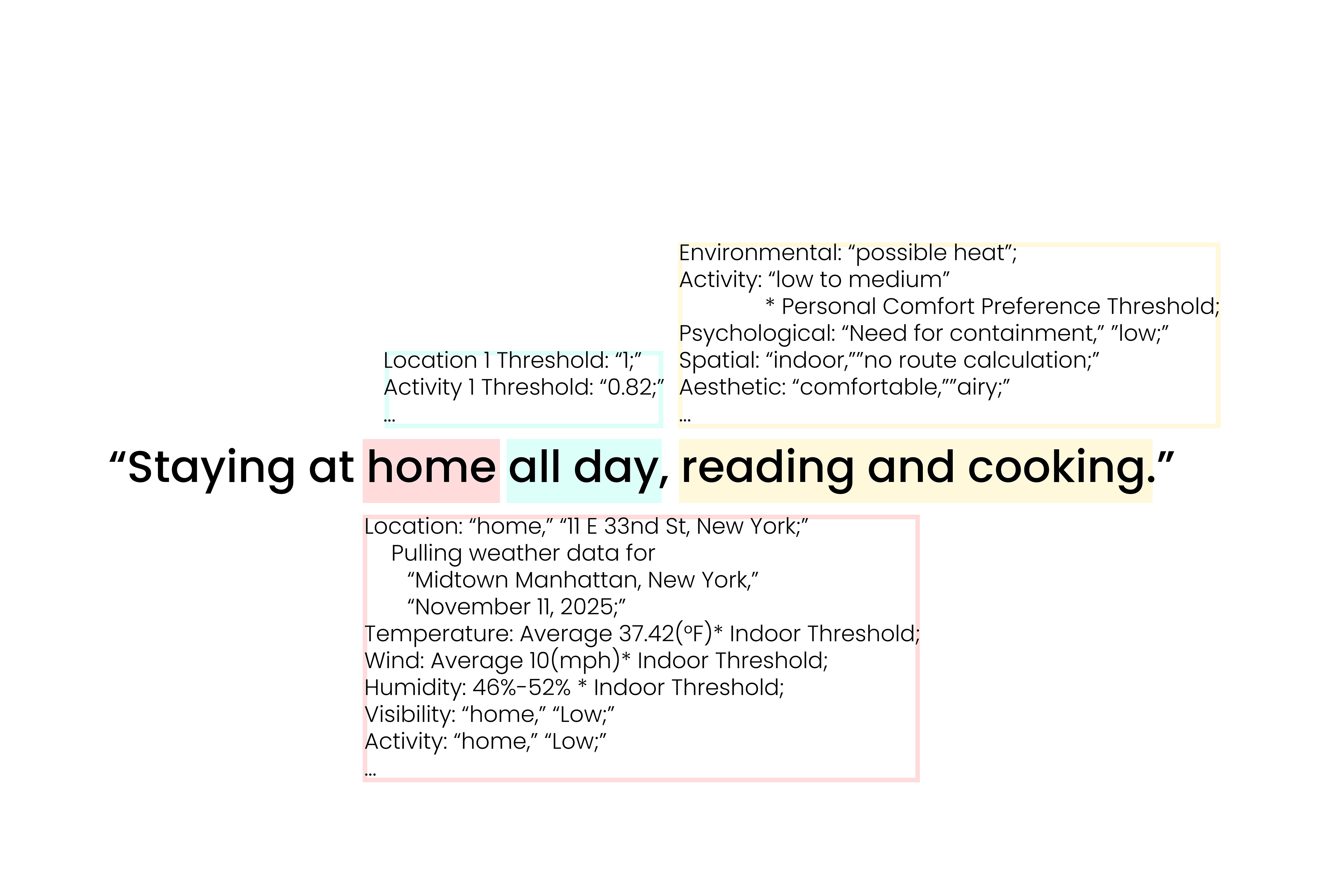
Simply answer the question

"What are you doing for today?"

The system reads your context, processes it, pulls the relevant data, and calculates what you need to wear for that day.

Text Analysis

Fit

Fit = 1 - [0.30 × temp_norm - 0.25 × activity_norm + 0.15 × (1 - comfort_pref_norm) + 0.20 × containment_norm + 0.10 × spatial_norm]

Mesh

Mesh = 0.35 × temp_norm + 0.25 × (1 - activity_norm) + 0.20 × formality_norm + 0.20 × aesthetic_norm

Thickness

Thickness = 0.50 × temp_norm + 0.25 × wind_norm + 0.25 × exposure_norm

Airflow

Airflow = 1 - [0.35 × temp_norm + 0.25 × humidity_norm + 0.25 × activity_norm - 0.15 × outdoor_norm]

Support

Support = 0.35 × demand_norm + 0.25 × stability_norm + 0.25 × formality_norm + 0.15 × wind_norm

0.73
0.42
0.89
0.15
0.67

Product

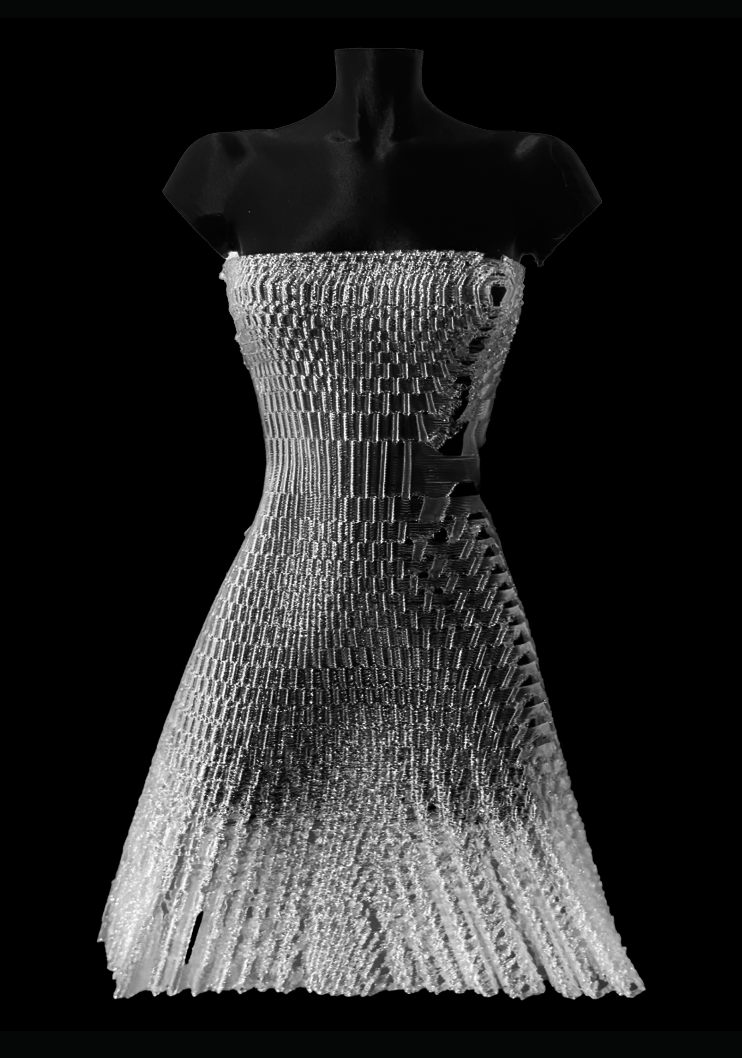
Editorial-level garments generated, validated, and fabricated through the HAI Systems pipeline. From code to cloth.

Impact

For Designers: Stay in full creative authorship while the system handles geometric and material complexity. Iterate in parametric space, preview physical behavior before fabrication, archive design logic as reusable systems.

For Brands: Scalable bespoke production with data-driven forecasting. Shift from seasonal bulk orders to continuous demand flows. Reduce inventory risk via Design-on-Demand pipelines.

For the Planet: A circular economy model built on precision, not excess. Radically reduce material waste through digital validation. Localize production. Design garments for repair, reuse, and material recovery.

Team

HAI Systems is led by Chelsea Hai, a computational designer working at the intersection of fashion, architecture, and advanced manufacturing. With a background in Rhino, Grasshopper, and algorithmic design, Chelsea builds systems that treat garments as dynamic, data-rich infrastructures rather than static products.

We believe the next era of fashion will not be defined by faster consumption, but by better systems—systems that encode responsibility, intelligence, and beauty into every step of the lifecycle. HAI Systems exists to prototype those infrastructures.